
Radiopharmaceutical supply chain structure: 4/7
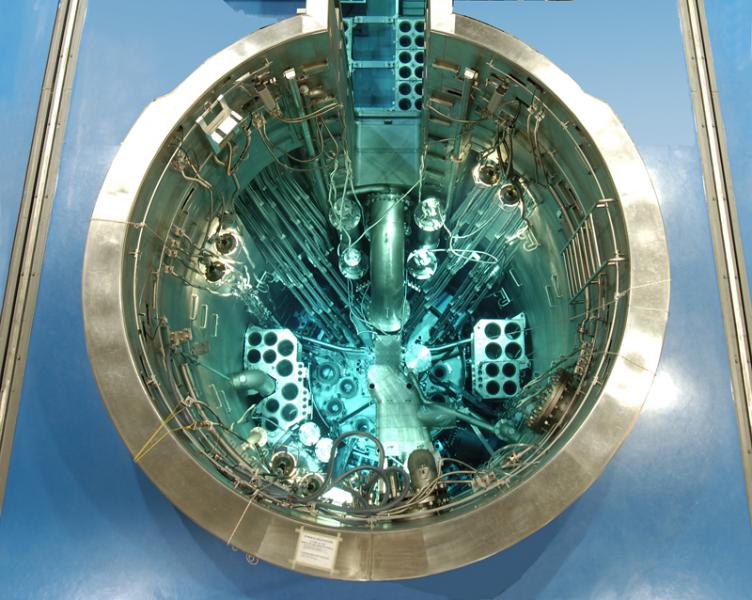
Step 4 – Target Irradiation
🌐 The Irradiation challenge : How the industry is securing the next generation of radionuclides
Moving from targetry to the actual irradiation stage of radionuclide production requires a careful balance of physics, infrastructure, and strategic investment. To meet the growing global demand for diagnostic and therapeutic radionuclides, access to a highly diversified range of irradiation facilities (spanning neutrons, protons, alpha particles, and electrons) is critical.
Right now, the industry boasts a remarkably robust and complementary irradiation ecosystem:
- The neutron-based installations’ fleet: Production relies on a diverse fleet of research reactors at various lifecycle stages (operational, undergoing long-term modernisation, and under construction). Looking ahead, the successful introduction of CANDU power-reactor-based irradiation in Canada has paved the way for increased global capacity in the near future (Romania, Korea, China, etc.). In parallel, there is a renewed interest in alternative technologies, such as SHINE Technologies’s sub-critical systems, Astral Systems’ fusion-based neutron sources, and dedicated small modular reactors like Oklo.
- The accelerator network: Well-established networks of medical cyclotrons support PET diagnostics, backed by versatile research accelerators capable of delivering the specific beam types and currents needed for low-volume supply and cutting-edge research. Driven by favorable market conditions, we are seeing major commercial momentum, with significant investments underway in dedicated networks or high-throughput accelerators specifically to develop Actinium-225 or Astatine-211 supply chains.
When the private sector sees a clear, sustainable path to ROI, systemic supply risks begin to evaporate.
⚠️ The Challenges Ahead
However, maintaining this momentum requires navigating several critical bottlenecks:
- Industrial Scaling vs. Research Needs: Production installations must secure reliable, cost-efficient, large-scale facilities for industrial production, while simultaneously preserving access to dedicated irradiation channels for early-stage research, championed by vital initiatives like PRISMAP in Europe and the DOE Isotope Program in the US.
- Infrastructure Transition: Replacing an ageing fleet of research reactors is a notoriously long game, prone to regulatory and construction delays. Bridging this gap could require accelerating alternative pathways like power-reactor (CANDU) integration, though such a bridge could fundamentally shift the production toward commercial power reactors.
- De-risking Capital Investments: Building new infrastructure requires massive upfront capital. To unlock further private investment, clear regulatory frameworks, and predictable market conditions that de-risk these long-term, capital-intensive commitments are prerequisites .
💬 The Big Question
As this infrastructure builds out, a delicate challenge is to be faced. Historically, the production of Molybdenum-99 relied on heavily subsidised research reactors (on the grounds of their multi-purpose characteristics). This led to distorted market prices and discouraged private investment, ultimately leading to recurrent supply shortages.
As we look to the future: How should public funding or incentives be deployed to support the development of industrial irradiation capabilities, while protecting a competitive ecosystem with fair pricing and sustainable market conditions?
We’d love to hear your thoughts in the comments. 👇
#MEDraysintell #Irradiation #NuclearMedicine #Radiopharmaceuticals #Radionuclides